Stage 6
Excursions for Year 11 and 12 students.
Biology - Ecosystem dynamics

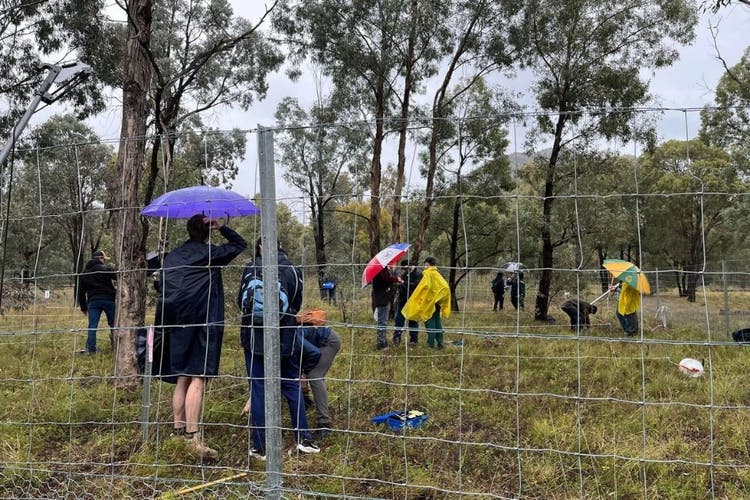

In-depth study for year 11 Biology students.
Inquiry Question: “What effect can one species have on the other species in a community?”
Students:
- investigate and determine relationships between biotic and abiotic factors in an ecosystem, including: ACSBL019
- the impact of abiotic factors ACSBL021, ACSBL022, ACSBL025
- the impact of biotic factors, including predation, competition and symbiotic relationships ACSBL024
- the ecological niches occupied by species ACSBL023
- predicting consequences for populations in ecosystems due to predation, competition, symbiosis and disease ACSBL019, ACSBL020
- measuring populations of organisms using sampling techniques ACSBL003, ACSBL015
More information:
-
Woodland restoration depth study
Please print out worksheets for each student.
Biology - Biological diversity
Population dynamics - a study of the impact introduced species have on grassy box woodland ecosystems
Inquiry Question: "How do introduced species affect the Australian environment and ecosystems?"
Student outcomes:
- develops and evaluates questions and hypotheses for scientific investigation BIO11/12-1
- designs and evaluates investigations in order to obtain primary and secondary data and information BIO11/12-2
- communicates scientific understanding using suitable language and terminology for a specific audience or purpose BIO11/12-7
- describes biological diversity by explaining the relationships between a range of organisms in terms of specialisation for selected habitats and evolution of species BIO11-10
More information:
-
Woodland Restoration Biology - Biological Diversity Depth Study
Please print out worksheets for each student.


Geography - Biophysical interactions

To provide a case study investigating the Wambelong 2013 fire in the biosphere, to illustrate how an understanding of biophysical processes contributes to sustainable management in the Warrumbungle National Park and surrounding environments.
The investigation will include:
- Identification and explanation of the key biophysical processes, which relate to the issue.
- Scale of operation.
- Interactions with other components of the biophysical environment.
- The sensitivity of the biophysical environment to change.
- The importance of understanding key biophysical processes for effective management.
More information:
Geography - Ecosystems and global biodiversity
Students will examine a temperate woodland ecosystem within the park and investigate how introduced species and human management practices influence:
- Ecological integrity
- Sustainability
- Biocapacity
- Vulnerability and resilience
- Biodiversity
- Cultural perspectives on land management
- Ecosystems and global biodiversity worksheets
Please print out worksheets for each student. - Risk Assessment

Earth and Environmental Science - Hazards


Impact of natural disasters on the biosphere
Inquiry question: How do natural disasters such as catastrophic bushfire events influence the biosphere and atmosphere?
Prediction and Prevention of Natural Disasters
Inquiry question: What technologies enable prediction of natural disasters and minimisation of their effects on the biosphere?
More information:
-
Please print out worksheets for each student.
EES - Human impacts depth study
Impact of introduced species on grassy box woodland ecosystems
Inquiry Question: How do introduced species affect the Australian environment and ecosystems?
Students:
● outline the biotic and abiotic effects of introduced species
● conduct an investigation into a local introduced species, including:
– reason for introducing the species
– biotic and abiotic effects of the species
– area affected by the species
– human impacts that favour the introduced species
– control or mitigation methods – economic impact of the species
– different views about the value of and/or harm caused by the introduced species, including the views of Aboriginal and Torres Strait Islander Peoples
● analyse ways in which human activity can upset the balance of ecosystems and favour introduced species (ACSES027)
● describe ways in which introduced species contribute to the decline or extinction of native Australian species (ACSES081)
More information:
-
Woodland Restoration ESS Human Impacts Depth Study
Please print out worksheets for each student.


Year 12 prefect leadership program & camp


This program assists Yr 12 student leaders / prefects to become aware of their role and understand the importance of developing character traits for better leadership. It aims to develop resilience and shift student dependency to empowering attitudes and initiative.
The program has been proven to enhance student leader motivation, positivity and develop greater self confidence in public speaking.
Furthermore it aims at developing peer trust and unites the group to spark direction for their cohort’s leadership milestones and school legacies.
More information:
On country light
The On country light program will involve creating valuable and memorable learning experiences for rural, remote and urban students by providing them with basic equipment to get them on a multi-day wilderness exploration and immerse them in the Warrumbungle National Park's diverse environments, to maximise wellbeing, sustainability and curriculum outcomes.
More information:

Leadership camp
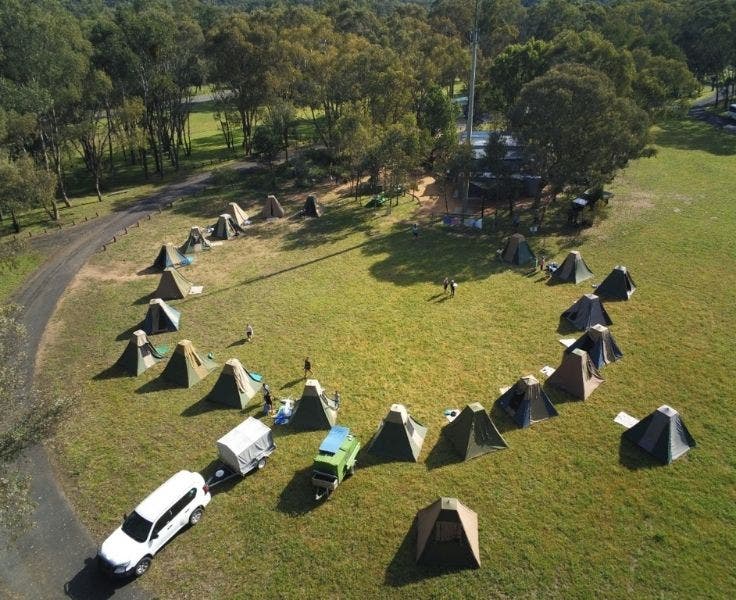

The Stage 4-6 Leadership Program program will assist to develop self-confidence, communication skills and team work amongst your cohort of leaders.
Students will gather a greater understanding of character attributes to distinguish their own strengths and discover traits that will assist them in their leadership abilities to enable positive change at their school and within their community.
Please note that the program schedule can be changed to suit your needs.
More information:
Before your visit
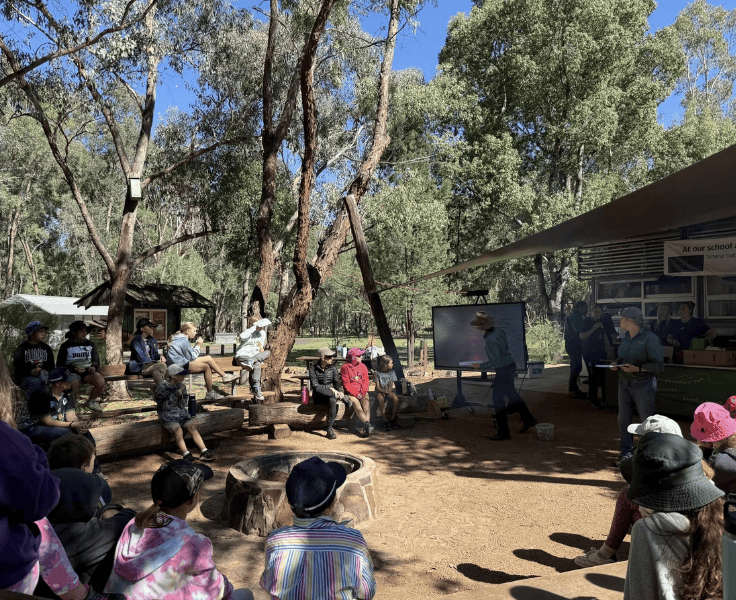
If you’re joining us for a day visit or camping overnight, here’s what you need to know.
Contact us
Get in touch to ask a question, plan a visit or find out more about what we offer.
About our centre
Learn how our centre helps students explore, learn and connect with nature.